With strong digestion and maximum strength, Shishir is the best time to nourish the body, build immunity, and enhance long-term health.
Shishir Ritu represents the peak of the winter season in Ayurveda. During this time, cold winds dominate, nights are longer, and the moon’s influence is stronger than the sun. The environment becomes dry and chilly, leading to aggravation of Vata Dosha and accumulation of Kapha Dosha.
This season is ideal for building strength, stamina, and immunity, as digestive fire and physical strength remain at their maximum.
During Shishir Ritu, the intense cold preserves internal body heat, which enhances physical strength and stamina. The body becomes more stable and capable of building endurance, making this an ideal season to improve overall vitality.
The cold weather intensifies digestive fire, leading to a strong appetite and efficient digestion. Nourishing, warm, and slightly heavy foods are well tolerated, but skipping meals can lead to weakness due to the powerful Agni.

In Shishir Ritu, cold and dryness aggravate Vata and gradually accumulate Kapha. This also reduces skin moisture, causing dryness and dullness. Regular oiling and proper hydration help maintain balance and skin health.
With strong digestion and maximum strength, Shishir is the best time to nourish the body, build immunity, and enhance long-term health.
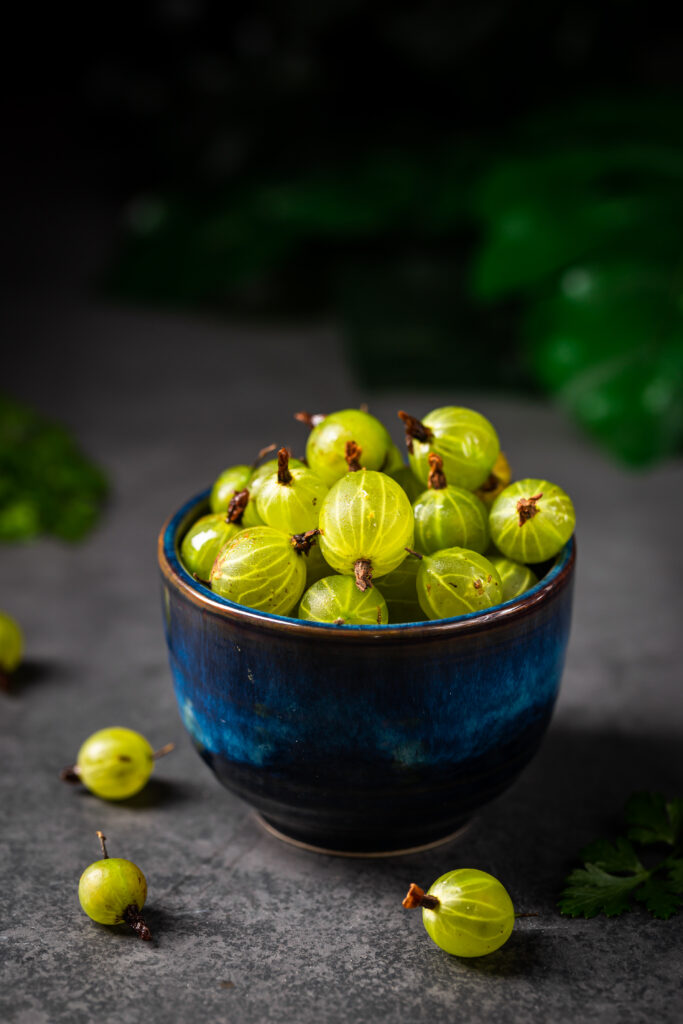
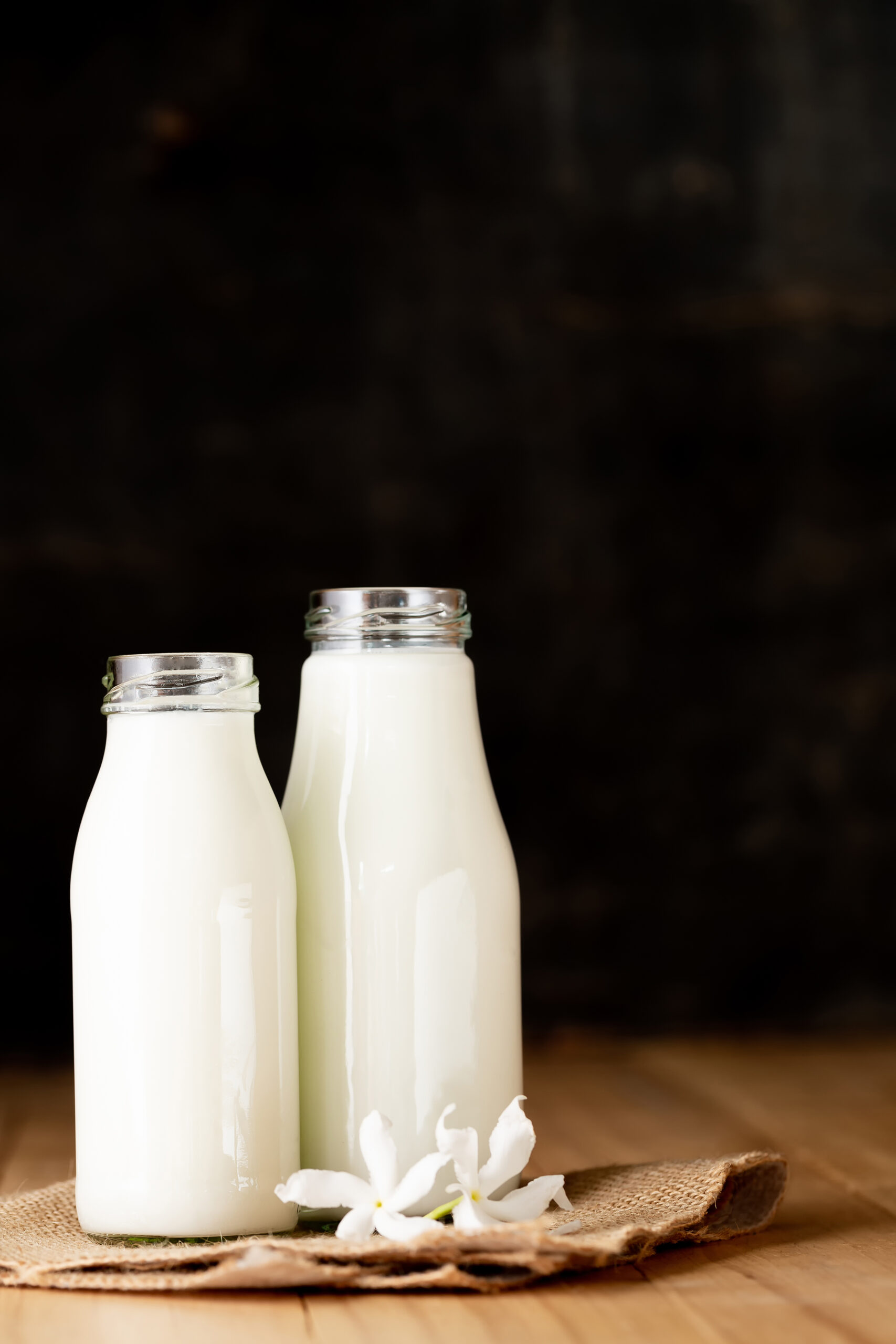
During Shishir Ritu, the body demands warm, nourishing, unctuous & energy-rich foods like
During Shishir Ritu, although digestive fire is strong, the cold and dry qualities of the season increase Vata and gradually accumulate Kapha. Consuming the wrong type of foods can disturb this balance, leading to dryness, weakness, and digestive issues. Therefore, certain foods and eating habits should be avoided to maintain seasonal harmony and protect overall health.


In Shishir Ritu, adopting a warm and disciplined lifestyle helps maintain strength and protect the body from the cold. Since this season increases dryness and coldness, proper daily habits support circulation, immunity, and overall balance, keeping the body healthy and resilient.


During Shishir Ritu, avoiding cold wind exposure, irregular sleep habits, and excessive stress is important to maintain balance. These factors can aggravate Vata, weaken immunity, and increase the risk of seasonal illnesses, so a disciplined and protective lifestyle is essential.
© 2025 Sarth Ayurveda | All Rights Reserved
Added to cart
Check out our shop to see what's available